
Modular classrooms
With the increasing adoption of modular classrooms in schools, colleges, and training facilities, many administrators are exploring the features and amenities that these flexible learning spaces can accommodate. One of the most common questions is, “Can modular classrooms include HVAC systems?” The answer is a definite yes, as modern modular classrooms are designed to provide comfort, safety, and energy efficiency comparable to traditional buildings. HVAC systems, which include heating, ventilation, and air conditioning, can be seamlessly integrated into modular classrooms to create a controlled environment that supports effective learning throughout the year.
One of the advantages of modular classrooms is their adaptability. Because these structures are prefabricated off-site and then assembled on location, they can be customized to include HVAC systems during the design and manufacturing process. Schools can choose central air conditioning units, ductless mini-split systems, or even energy-efficient heat pumps depending on the climate, building size, and budget. By incorporating HVAC systems, modular classrooms can maintain optimal temperatures in both summer and winter, ensuring that students remain comfortable and focused regardless of external weather conditions. This level of control is particularly valuable in regions with extreme temperatures, where traditional classrooms without climate control may hinder learning.
Another reason why HVAC systems are increasingly included in modular classrooms is air quality. Ventilation is critical in educational environments to prevent the buildup of carbon dioxide, allergens, and airborne pathogens. Modular classrooms with integrated HVAC systems can feature advanced filtration systems that improve indoor air quality, reduce dust and allergens, and maintain proper humidity levels. This not only promotes a healthier learning environment but also aligns with growing concerns about student wellbeing and infection control. With proper ventilation and air circulation, modular classrooms can effectively meet the same standards of comfort and safety as permanent structures.
Energy efficiency is another important factor. Modern HVAC systems designed for modular classrooms are often highly efficient, using less energy than older or traditional systems. Schools can opt for systems with programmable thermostats, zoning capabilities, and energy recovery ventilators, all of which help reduce energy consumption while maintaining consistent indoor conditions. Because modular classrooms are typically smaller and well-insulated, HVAC systems can operate more efficiently than in larger conventional buildings, resulting in lower utility costs over time. These energy-conscious solutions make modular classrooms a sustainable choice for institutions that are concerned about operational expenses and environmental impact.
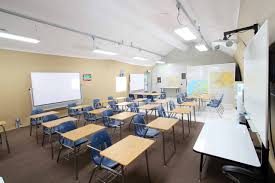
Can modular classrooms include HVAC systems?
The integration of HVAC systems into modular classrooms also supports multi-purpose use. Many modular units serve not only as traditional classrooms but also as offices, laboratories, or training centers. HVAC systems allow these spaces to be used year-round without concern for extreme temperatures, making them versatile for a variety of applications. Schools and institutions can schedule different activities within the same modular building while maintaining comfort for students and staff. This flexibility enhances the overall value of modular classrooms, demonstrating that they can meet diverse educational needs without sacrificing quality or efficiency.
Design considerations for including HVAC systems in modular classrooms are straightforward due to the pre-engineered nature of the structures. Manufacturers can plan for ductwork, electrical connections, and ventilation openings during the assembly process, ensuring that installation is efficient and aesthetically seamless. Additionally, modular classrooms are often built with materials that provide insulation and noise reduction, further enhancing the effectiveness of HVAC systems. This thoughtful integration means that schools do not have to compromise the interior layout or design while adding climate control solutions.
Maintenance and serviceability are also easier in modular classrooms with HVAC systems. Because the units are designed with accessibility in mind, filters, ducts, and control panels can be reached without disrupting classroom activities. Regular maintenance ensures that the HVAC system continues to operate efficiently, providing long-term reliability. Schools benefit from reduced downtime and the assurance that students and staff can enjoy a comfortable and consistent indoor environment throughout the school year.
In addition to comfort, HVAC-equipped modular classrooms contribute to improved concentration and productivity. Studies have shown that temperature and air quality directly affect students’ ability to focus and retain information. By including HVAC systems, schools can create optimal conditions that enhance learning outcomes. Teachers also benefit from a consistent working environment, allowing them to deliver lessons effectively without concern for fluctuating temperatures or poor ventilation.
In conclusion, modular classrooms can indeed include HVAC systems, and doing so offers a wide range of benefits. From maintaining comfortable temperatures and improving air quality to increasing energy efficiency and enhancing multi-purpose functionality, HVAC systems make modular classrooms comparable to permanent structures in terms of comfort and usability. The ease of integration, combined with reduced maintenance requirements and flexible design options, makes HVAC-equipped modular classrooms an ideal choice for schools, universities, and other educational institutions. By investing in climate-controlled modular classrooms, institutions can provide students with a healthy, productive, and adaptable learning environment, demonstrating that prefabricated structures can meet modern standards without compromise.
