
mold die casting production
Ensuring quality in mold die casting production is paramount for achieving reliable, high-performance components and maintaining a competitive edge. The inherent complexities of injecting molten metal at high pressure into intricate molds necessitate a rigorous approach to quality control at every stage. From initial design to final inspection, a systematic methodology is essential to prevent defects, optimize efficiency, and deliver parts that consistently meet stringent specifications.
The foundation of quality in mold die casting begins with meticulous part and mold design. Poor design can predetermine defects, regardless of process control. Designers must consider uniform wall thickness, adequate draft angles, generous radii, and proper gating and venting systems to facilitate smooth metal flow and prevent air entrapment. Collaborating early with experienced die casting engineers can help identify and mitigate potential issues before mold construction, saving significant time and cost in the long run.
Process control is another critical pillar for maintaining quality. This involves precisely managing parameters such as molten metal temperature, injection pressure and speed, die temperature, and cooling times. Automated systems with real-time monitoring are often employed to ensure these parameters remain within specified ranges. Any deviation can lead to defects like porosity, cold shuts, or incomplete fills. Regular calibration of machinery and sensors is vital to ensure accurate and repeatable casting cycles.
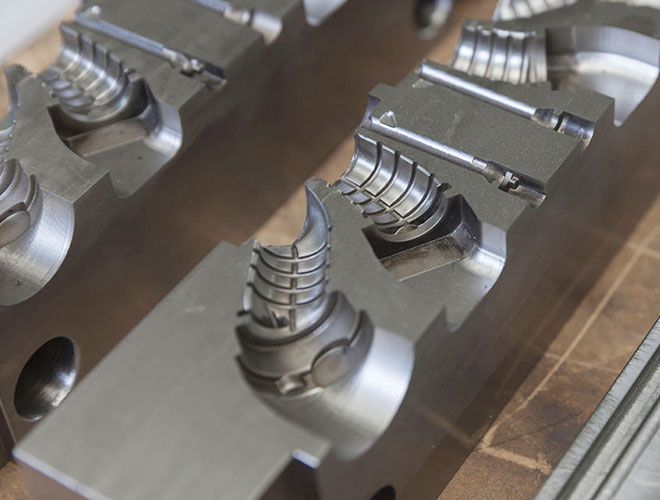
How to ensure quality in mold die casting production?
The quality of the raw materials used in mold die casting also directly impacts the final product. Strict control over the purity and composition of the alloys (e.g., aluminum, zinc, magnesium) is necessary to ensure consistent mechanical properties and castability. Contaminants or incorrect alloy mixes can lead to brittle parts, surface imperfections, or other metallurgical defects. Reputable suppliers and incoming material inspections are crucial to maintaining this aspect of quality. Furthermore, the longevity and performance of the die itself are heavily influenced by the expertise of the die casting mold factory in selecting high-grade tool steel and applying precise machining and heat treatment processes.
Beyond in-process controls, comprehensive inspection and testing procedures are essential to verify the quality of finished die castings. This includes visual inspections for surface defects, dimensional checks using precision gauges or coordinate measuring machines (CMMs) to ensure tolerances are met, and metallurgical analyses to confirm material integrity. Non-destructive testing methods like X-ray inspection can detect internal porosity or cracks, while destructive tests such as tensile strength or hardness testing confirm mechanical properties.
Finally, a commitment to continuous improvement is vital for sustaining and enhancing quality in mold die casting. Analyzing defect data, implementing root cause analysis for identified issues, and continuously refining processes and designs based on feedback are key. This iterative approach, coupled with robust quality management systems like ISO certifications, ensures that a die casting operation can consistently produce high-quality parts while adapting to new challenges and technological advancements in the industry.
